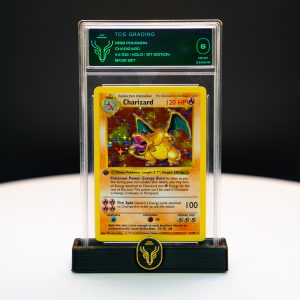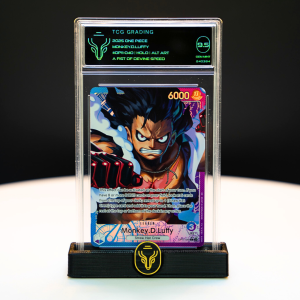
The Hobby Has Grown Up. Grading Helped.

Card Grading in Australia: What It Is, Why It's Growing, and Where to Start

Not long ago, getting a trading card professionally graded felt like something only serious investors did. The kind of people who talked about PSA populations and comp sales and treated a piece of cardboard like a commodity on a spreadsheet.

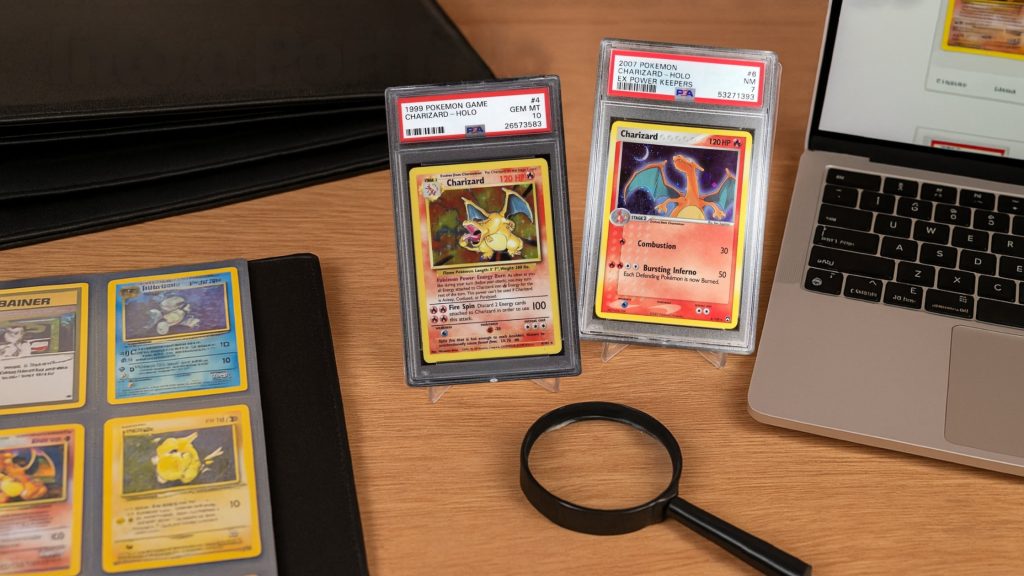
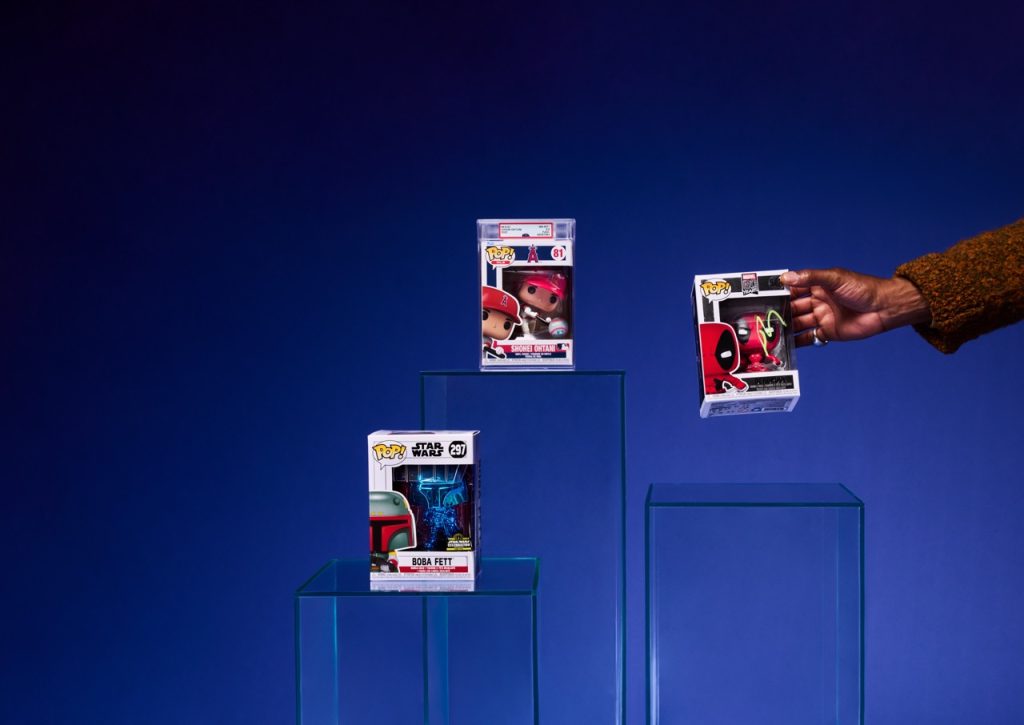
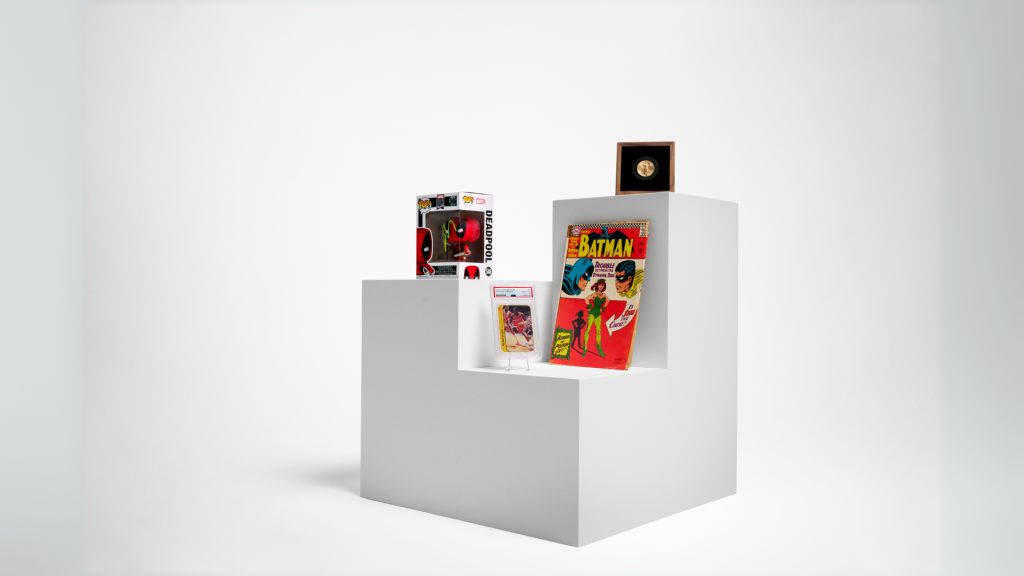
But somewhere along the way, that changed. Card grading has quietly become one of the most personal things a collector can do and a way of saying this one matters. Whether it's a Base Set Charizard that survived three house moves in a shoebox, a Funko Pop still in its box from a decade ago, or a sealed copy of a game you can't bring yourself to open, getting something graded is really just an act of preservation. Of taking something you care about and giving it the protection it deserves.
What Is Card Grading?
(A Plain-English Explainer)

At its core, professional card grading is a process where an independent company assesses the condition of a collectable and checking for things like surface scratches, print quality, centering, and edge wear and assigns it a score, usually on a scale of 1 to 10. The item is then sealed in a tamper-evident case (called a slab) with that score permanently documented.


It sounds technical, and parts of it are. But the reason people do it isn’t really about the numbers. It’s about confidence and knowing exactly what you have, preserving it properly, and being able to share or sell it with full transparency about its condition.


For Pokémon cards, Funko Pops, sports cards, and video games alike, a grade adds a layer of authentication and protection that a sleeve and binder simply can’t match.

Why Card Grading in Australia Is Having a Moment

The grading industry has matured significantly over the past few years. What used to be a niche corner of the hobby dominated by a handful of overseas companies has opened up considerably closer to home, with Australian grading services raising the bar on methodology, turnaround times, and the overall submission experience.

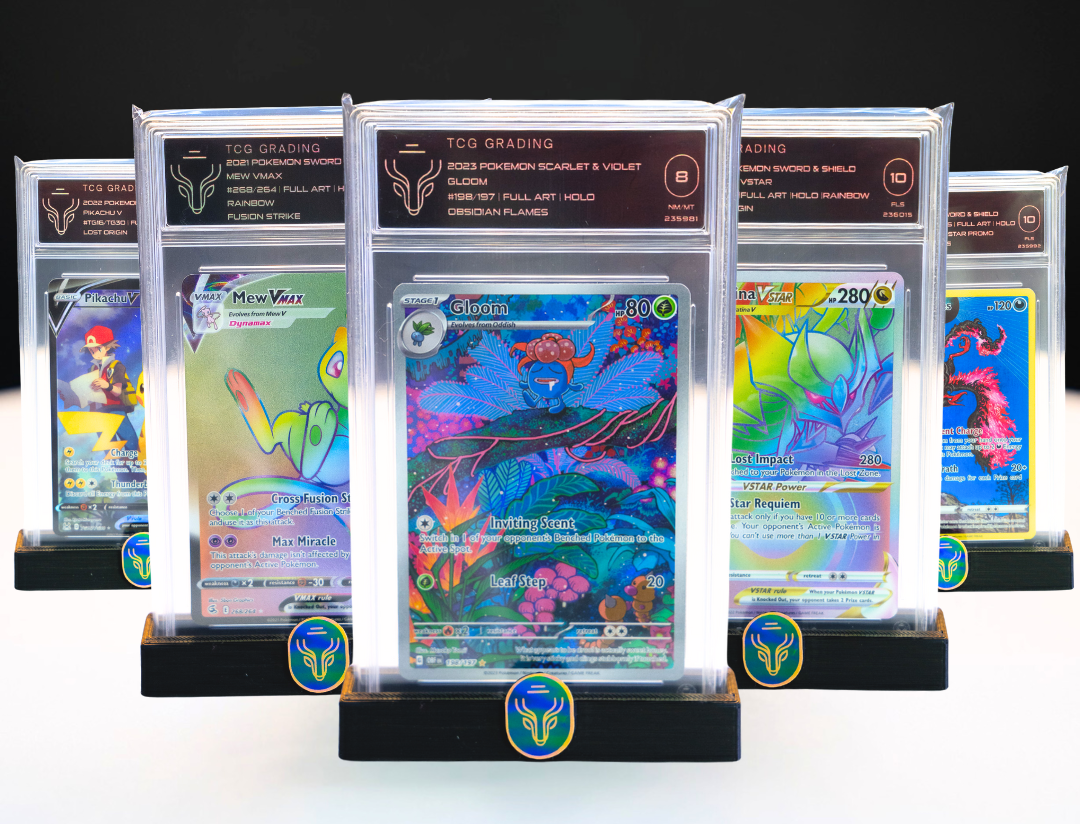
One of those players is TCG Grading, who’ve spent the past year quietly doing the work refining how they assess items, increasing transparency around their process, and thinking seriously about what collectors actually want from a grading service. Not just a number, but an understanding that the items coming through their doors carry real history with them.

That attention to the human side of the hobby shows up in unexpected ways including a custom art label option, where resident artist Kai Christian creates bespoke artwork for the slab itself. It’s a small touch, but it shifts grading from something purely functional into something you’d genuinely want to display.

The Biggest Barrier to Getting Started? Friction.

For most collectors, the thing that stops them from getting items graded isn’t interest, it’s friction. Minimum submission requirements. Postage anxiety. Waiting months for results. Not knowing if something is even worth submitting in the first place.

That’s part of what makes in-person grading events so valuable. Showing up with a card and having a real conversation about it and no minimums, no guesswork, no courier packaging, is a very different experience to navigating an online submission portal alone.

CollectFest 2026 will have TCG Grading on the floor doing exactly that, at $13 per card with no minimum submissions, across trading cards, Funko Pops, and video games. It’s a good excuse to finally dig out that one thing you’ve been meaning to get looked at.

The Bigger Picture: Why Preservation Matters

The collector hobby has always had a preservation problem. Things get kept in shoeboxes. Rubber-banded together. Stored in conditions that quietly do damage over years. Grading isn’t the only answer to that, but it is one of the more satisfying ones turning something fragile into something protected, documented, and properly valued.


For a lot of collectors, it’s less about what the grade turns out to be, and more about finally knowing.